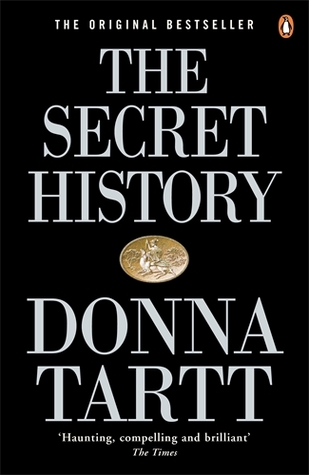
The Secret History certainly is a read that stays with you. As fans all over the world would admit - what Harry Potter was to younger readers, hidden under their covers with a flashlight, Donna Tartt’s book was to the older ones, fantasising about the continuation of their academic journey, mythologised, as much as obfuscated.
‘Modern classic’ is a title found again and again in the book’s reviews. Published thirty years ago, it found its way to the hearts and shelves of countless readers. After having been a huge success upon its release, it resurfaced in 2012, with the height of Tumblr’s popularity, in 2017, through Instagram, and then with the pandemic. Since its meteoric rise to fame, many similar novels came into the spotlight, resulting in Tartt pioneering a whole new genre and an aesthetic movement - dark academia.
If you are anything like me, however, you can’t help but wonder: okay, but why would I care? Why would I read something that gives away the twist right at the first glance? See, that’s the thing - like all the great works of art, there’s so much more to The Secret History than there seems to be at the first glance.
Tartt pioneered a whole new genre and an aesthetic movement - dark academia.
Donna Tartt is, arguably, exceptional in at least one thing: her ability to weave the reader into her words. She creates the portrait of Richard Papen - an everyman, a blank canvas for you to fill in with yourself - and does it so expertly that it is barely noticeable, let alone objectionable. We are made to want what she wants us to, almost as at the fancy of her as our mentor, as the main characters are at the fancy of theirs. Suddenly, we find ourselves vying for the approval of a fictional teacher, dreaming of leaving suffocating California, and restless to release ourselves from a witness-shaped burden. This, in turn, is vital because, at its very core, The Secret History is a story about longing, about wanting things you simply cannot have. We allow ourselves the slightest exhale of relief when Bunny is killed. The tension is lifted, if only for mere moments. And just then the realisation strikes - we wanted him to die, didn’t we? The very thought should terrify us, however, at the same time, we can’t help but admire the author’s genius.
This, I think, is the phenomenon of the book: forcing us to think about the greatest of fears - the fear of getting what we want. In the words of Tartt herself: “Beauty is terror. Whatever we call beautiful, we quiver before it.”