

However, this is why it's so important not to take too much, and to leave lots for the birds and mammals. Some good rules to follow are never take the first that you find, because it might be the only one left, and never take more than half of what you find of a plant. You'll have a sense looking at a plant if it can take being foraged, or if it will be damaged by what you take.
Chickweed
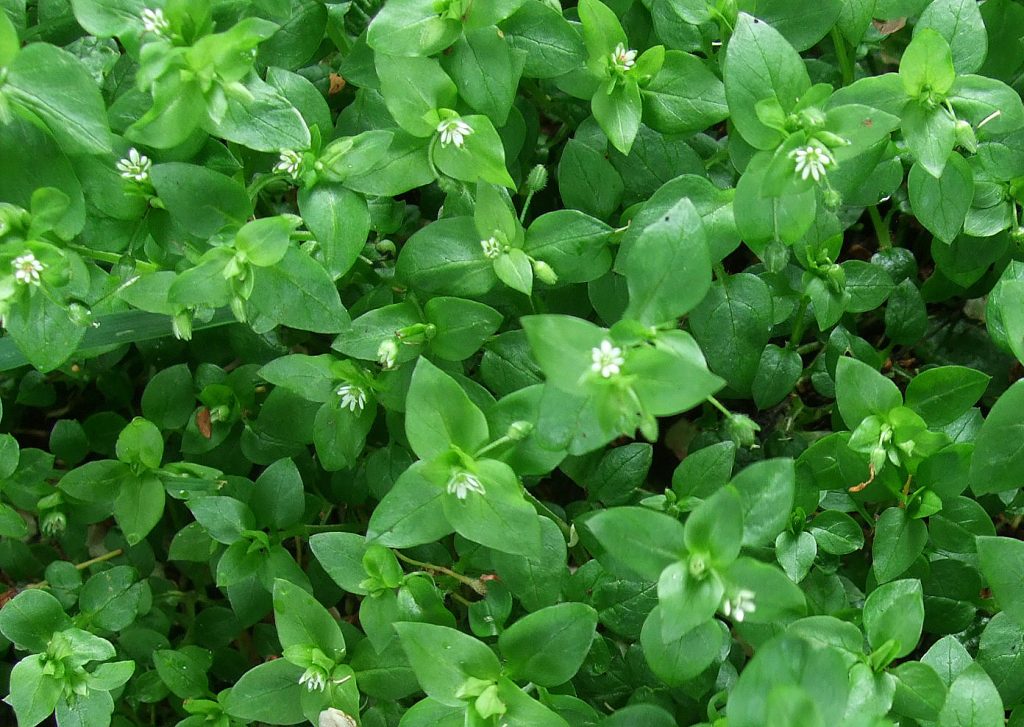
Chickweed grows absolutely everywhere in most months of the year, and you have probably seen it many many times. It is perfect for making a winter salad, or for cooking as a substitute for spinach. It tastes similar to salad you might buy in the shops, and is a great way to get in your greens! Pick whole stems of the branch instead of just the small leaves, as the whole thing can be eaten.
Chickweed grows on the ground, so it's always a good idea to pick some off the path if you want to minimise the risk of eating dog wee! Make sure to watch out for similar looking plants like stiff, hairy, mousehair chickweed and petty spurge.
Crab Apples
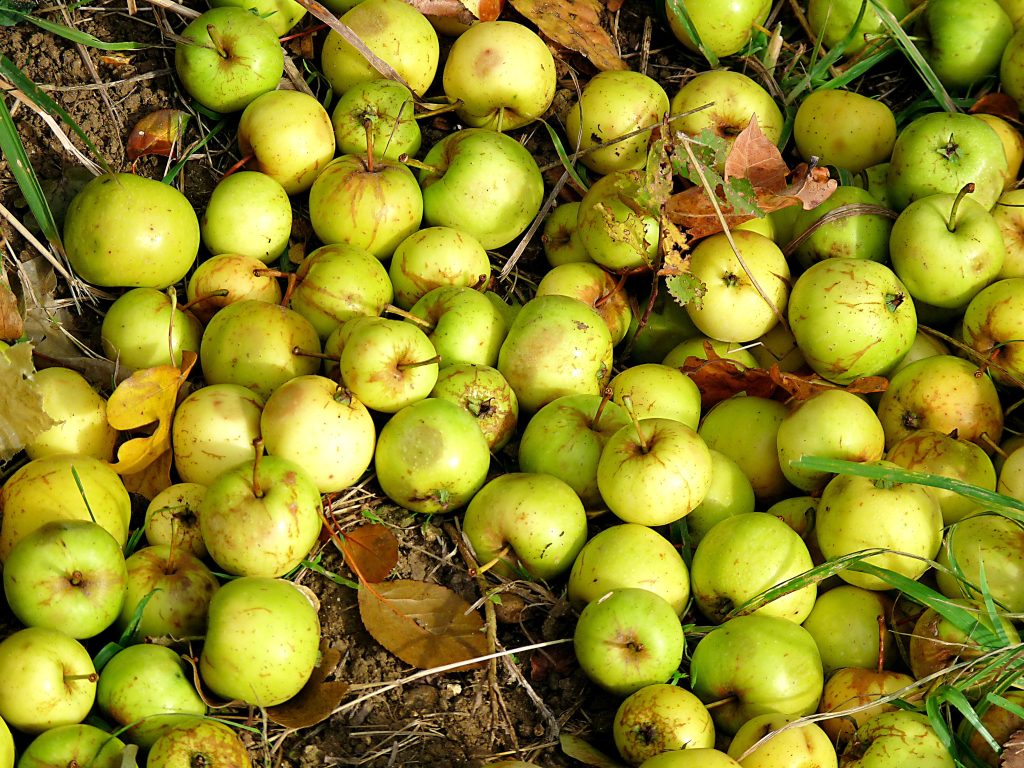
Crab apples are much smaller than normal apples, and will taste sour if you eat them raw. They are also ripe much later on than normal apples and can be foraged in December! However, they make a fantastic jam or jelly. You are less likely to find them in the city, but if you head out to the countryside you are much more likely to find them. Using the windfalls, as long as they haven't started to rot, is a good idea if the tree is quite tall!
Rosehips
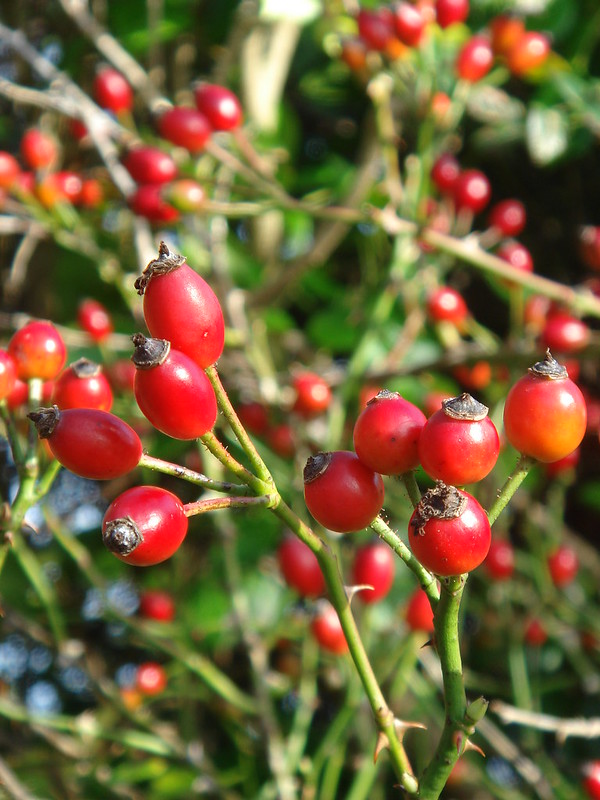
Rosehips have normally been and gone by now, but with the milder autumn, I have definitely still seen them about. These fruits are bright red, and have more vitamin C than oranges do! You can make a tincture for easing colds from them, or a bright orange jam. Just make sure the fruit is still firm and doesn't collapse when you squeeze it, and that you have removed all the hairs and seeds from inside!
Sloes
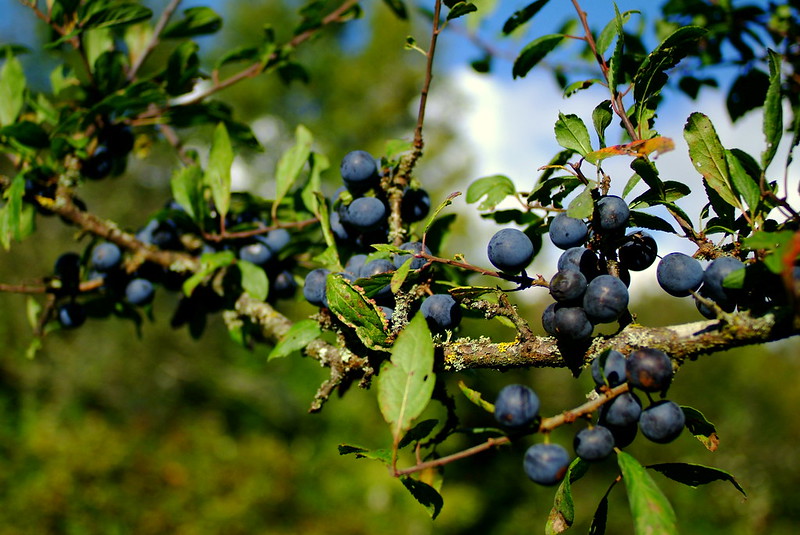
Sloes are fruits from the blackthorn tree, similar to plums or damsons. They are the most bitter thing you will ever taste when they are raw, but make delicious sloe gin or jam! It is traditionally thought that they should be picked after the first frost.
And that is my guide to foraging in Winter – happy foraging everyone!
Note: Always use a foraging book to check if plants are safe to eat. Don't eat them unless you're absolutely sure you can. Always look up if there are similar looking plants that may be easily confused with what you are looking for. Avoid plants from areas that could have had pesticide used on them, busy roads where car exhaust fumes could be absorbed, and current and old railway lines where waste could be absorbed.