

At riding schools, training centres and competitions, girls fill the start lists, muck out in the dark, and spend weekends chasing qualifications in every weather imaginable. More often than not, it’s the mums driving the lorries at 5am and plaiting in the rain, and that’s absolutely no shade to the Pony Club dads holding the fort elsewhere. The pipeline is saturated with female talent long before anyone utters the word “professional.”
At youth level, the imbalance is obvious. Pony Club teams, showjumping start lists, junior eventing squads, the numbers lean heavily female. Girls dominate. Not just in participation, but in endurance. They are the ones riding the sharp ponies no one else wants, catching before school, travelling the length of the country for qualifiers, and learning to sit the awkward strides as well as the perfect ones. They absorb the knocks, the eliminations, the near-misses — and they come back the next weekend.
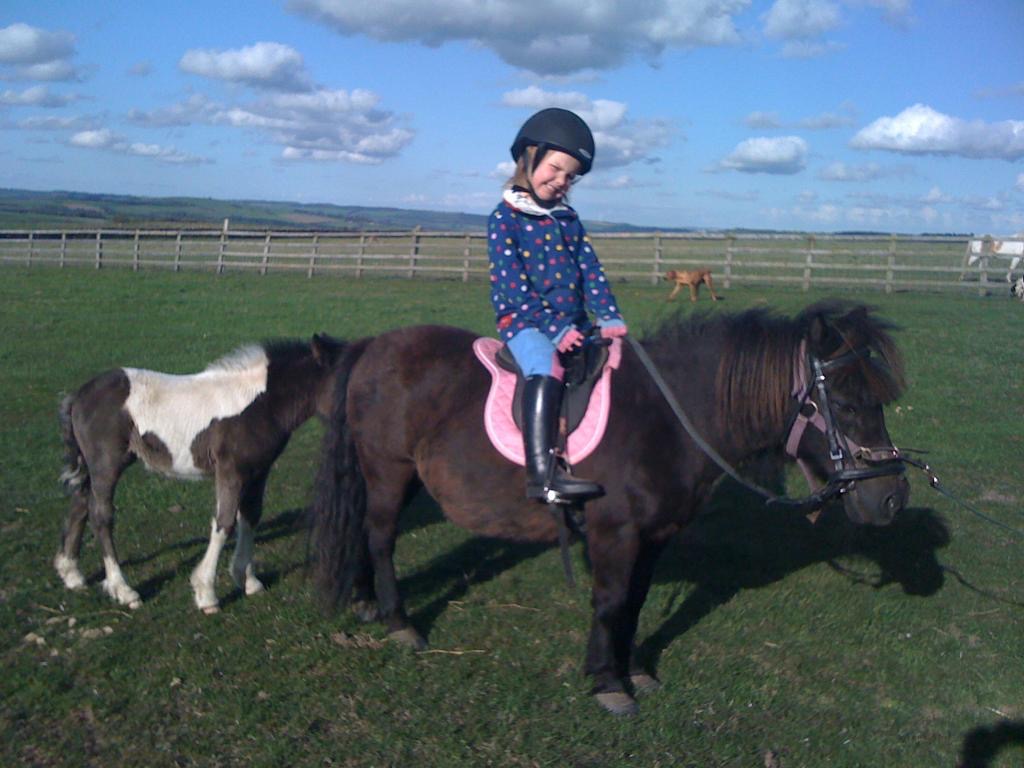
Of course, there is always the odd boy who never drops off, the ones who stick it out through the muddy winters and the 6am starts, and they deserve recognition for committing to the sport with the same consistency and resilience as the girls around them.
Yet follow the pathway upwards and something shifts.
As the sport tightens towards the professional tier... the gender balance begins to level out
As the sport tightens towards the professional tier, Olympic squads, five-star tracks, global tours, the gender balance begins to level out, and in some disciplines, quietly tilt. The same boys who rode through childhood alongside the girls often stepped away in their mid-teens, calling it repetitive or drifting toward more culturally celebrated sports. Meanwhile, the girls stayed in the system. They built experience the slow way.
Then, years later, some of those men reappear.
They return older, sometimes with financial backing, sometimes with established networks, sometimes with immediate access to better ‘horsepower’. Within a few years, they are labelled “serious professionals” or “ones to watch.” The progression looks quick, almost streamlined.
For women, the timeline often collides with something else entirely. The age at which a rider must push hardest, taking risks, investing financially, jumping the bigger tracks, overlaps with decisions about family. Motherhood changes logistics, but it can also subtly reshape psychology. Cross-country at speed demands total commitment; showjumping at 1.60m leaves no room for hesitation. When there is a child at home, risk can feel heavier. Confidence, in a sport built on instinct and bravery, is everything.
Equestrian sport may begin with women at its core...
But the narrative is evolving. In 2025, Ros Canter won the Burghley Horse Trials while pregnant, a result that challenged the assumption that motherhood signals a step back. Women are not disappearing at the top; they are redefining what longevity looks like.
Equestrian sport may begin with women at its core. The real test is whether that presence is protected and sustained all the way to the top.