

Many fashion companies have turned to a plant-based replacement for material staple: leather. There has been controversy over the years with vegan leather, as it’s normally made from plastic which comes with its own environmental problems. However, plant-based leather is offering a whole new faucet of material options, both vegan and avoiding the use of environmentally-damaging plastic. This plastic is a huge pollutant in our seas and is not biodegradable.
Scientists and fashion designers have been experimenting with leather derived from a whole host of natural materials: mushrooms, cactus and even pineapple could comprise your ‘leather’ belt, jacket or boots in the future. It’s argued that plant leather may have the potential to lower the carbon impact by 40x than that of traditional leather, and 17x the impact of synthetic vegan leather - a massive opportunity.
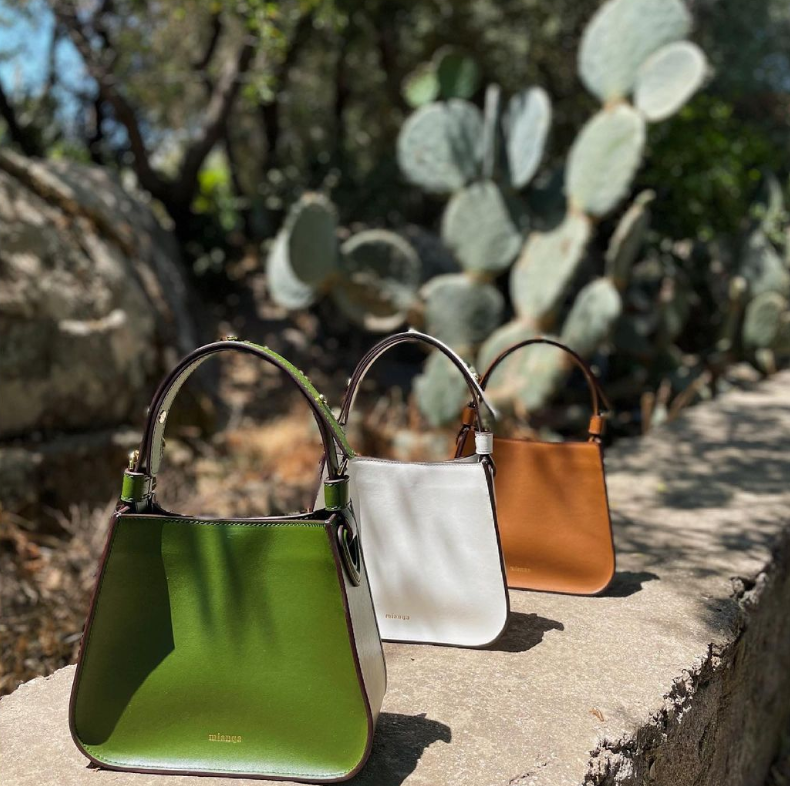
It's argued that plant leather may have the potential to lower the carbon impact by 40x than that of traditional leather, and 17x the impact of synthetic vegan leather
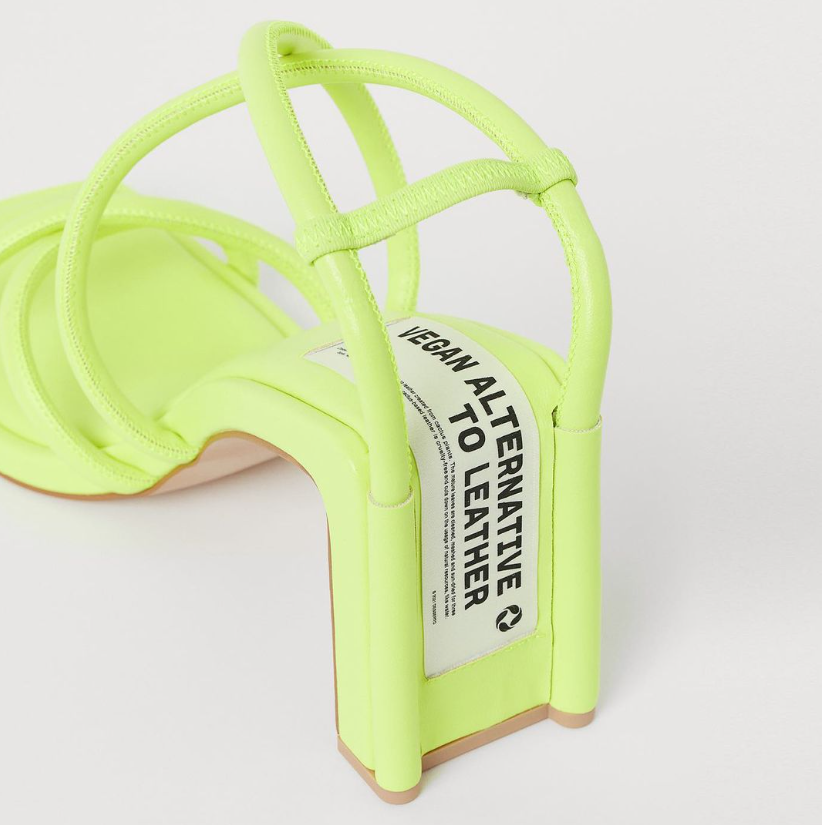
Though leather is a by-product of the meat industry, I’d still consider it unethical. I used to only purchase second-hand leather, as it still decreases the demand, but now I’ve turned to cutting it out of my wardrobe entirely - so these plant-based alternatives seem really appealing.
Fashion companies are realising the upcoming demand for these products. The footwear brand Allbirds recently invested into creating the world’s first solely plant-based leather shoes, and H&M released a collection of boots and handbags made from vegan grape leather. This used this excess waste produced from winemaking industries.
I've turned to cutting leather out of my wardrobe entirely - so these plant-based alternatives seem really appealing
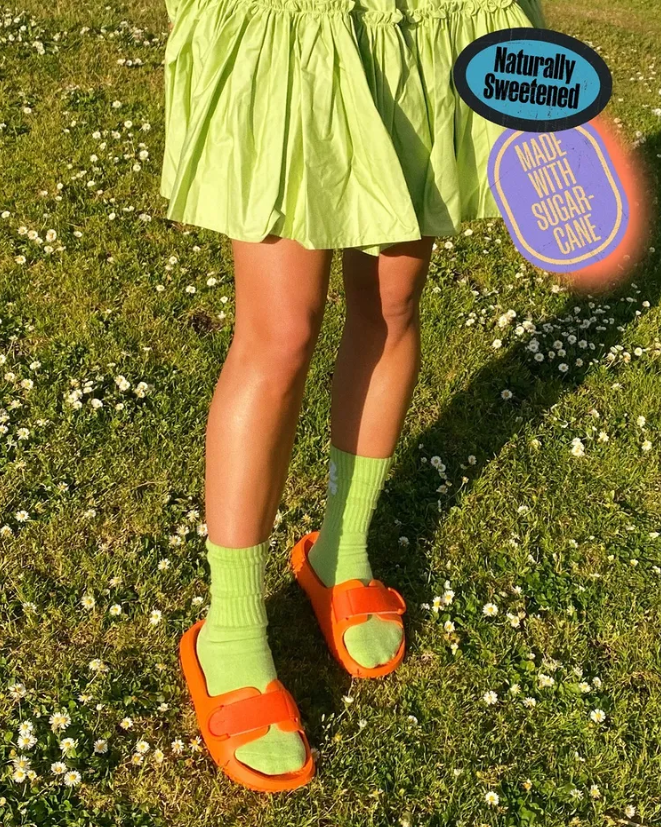
This innovation in fashion has a lot of potential; whilst we may only see these products introduced to shelves slowly over the coming years, it’s certainly a step in the right direction towards a more cruelty-free and sustainable world.