

According to a 2022 WRAP report, “for 1 in 3 people, the amount of food they waste is equivalent to putting one shopping bag of food in the bin each week” and is “now costing families £780 per year on average”. Particularly during the current financial crisis, this is a significant amount of money that people don’t realise they are losing. Not only does waste have negative economic implications for the public, but the food industry is also impacted due to the extreme cost of producing food. This waste also has a significant environmental impact, which has been highlighted in another 2022 WRAP report, noting how 35% of the UK’s greenhouse gas emissions come from our food and drink (from both the production and rotting of produce). The climate crisis has become a big discussion over the past few years, but food waste is not commonly discussed as one of the contributors of this. With vast amounts of water being used, land being destroyed, and carbon emissions from exports increasing, the production and rotting of food is particularly harmful to our environment. So, reducing food waste could help not only your bank balance, but also the planet.
For 1 in 3 people, the amount of food they waste is equivalent to putting one shopping bag of food in the bin each week
Recently, we have seen more action being taken towards reducing food waste. Apps have been created that provide recipes using up your leftover ingredients (perfect for students!). Similarly, celebrity chefs have started using their platforms to educate people on the consequences of wasting food. For example, Jamie Oliver’s TV show Jamie and Jimmy’s Friday Night Feast sees himself and Jimmy Doherty uncovering different aspects of food waste in the UK. Additionally, Jamie has listed advice on his website, such as making meal plans to avoid over-buying. He also tells us that approximately 20 million slices of bread are thrown away every day in the UK! Social media platforms can be hugely influential, but it is up to the public themselves to make the changes. We need to plan meals more, freeze produce before it goes off, donate to food banks, buy less attractive vegetables, save leftovers … the list goes on.
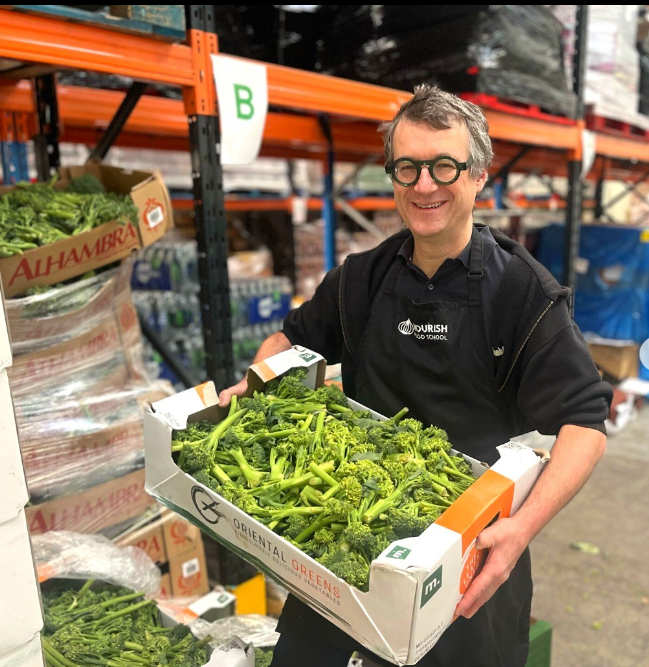
With supermarkets now removing ‘best before’ dates and selling ‘wonky’ fruit and veg at reduced prices, we are certainly making progress in reducing food waste. But it still goes unnoticed as a problem, and many people are unaware of the impact that wasting food can have, both financially and environmentally.
With supermarkets now removing ‘best before’ dates and selling ‘wonky’ fruit and veg at reduced prices, we are certainly making progress in reducing food waste.
My tip: make a hearty soup out of your leftover veg – so good!