

Harry Styles, 32, rose to fame in global boyband, One Direction, before launching a successful solo career in 2016. As of today he has released a variety of melancholic verse, dance beats or pop hits in his four award-winning album releases. On the other hand, Thom Yorke, 58, is best known for his role as lead vocalist in the highly acclaimed band Radiohead. Yorke, after exploring his individual sound, is now focused on his new band The Smile, anticipating an upcoming tour in 2027.
As the pop sensation and alt-rock icon joined together for an hour, as part of Rolling Stones' Musician on Musician series, the communication between the pair stood out as something to be admired (despite Styles speaking notoriously slow). Through their open discussions of imposter syndrome and anxiety in the musical process, Yorke took on the role of wise old man.
While Styles debates such vulnerable topics, Yorke provides a voice of understanding care...
He sits reclined, scratching his chin smiling, or giving a reminiscent sigh as he relates; “I know that feeling very well”. While Styles debates such vulnerable topics, Yorke provides a voice of understanding care. As he provides advise for the youthful talent, commenters jokingly remark Yorke to be Styles’ therapist! Whilst the joke stands, it is important that Thom Yorke, known for his avoidance of interviews, is able to level with Styles and offer personal insight into the intricacies of such a pressured life-style.
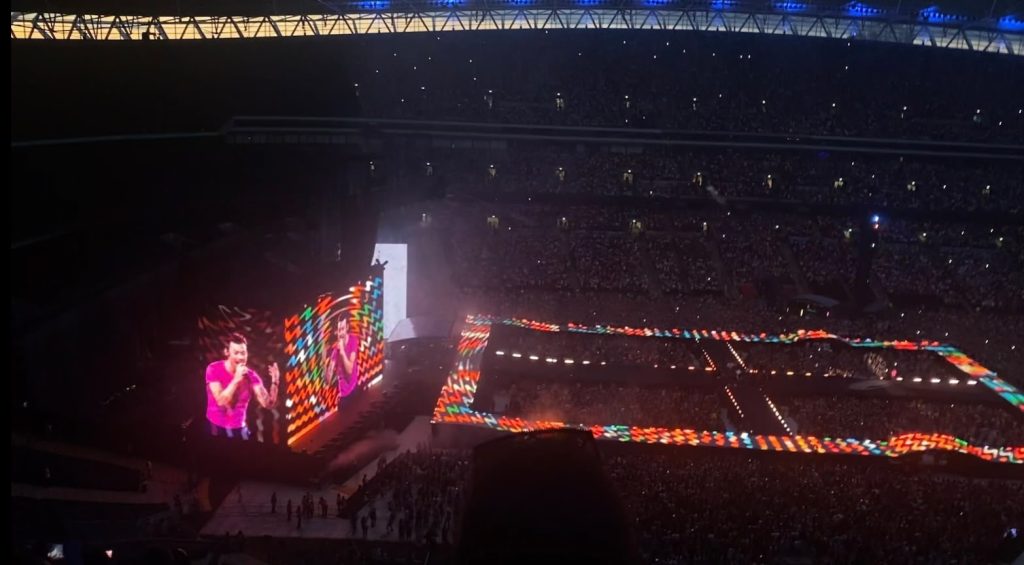
Among many modern artists, Harry Styles has often been critiqued by the general public as being inauthentic; from his days on Britain's Got Talent and commercialised career in One Direction, he is unfairly faced with skepticism in his musical talents. This poignant conversation eradicates this belief entirely.
This beautiful conversation allows audiences to see how two different timelines and genres of music can intersect and comfortably exist.
Both figures attempt to reach an understanding of each other and their experiences; they both provide a comfortable space to connect, share and debate vulnerable topics by taking each other seriously. This beautiful conversation allows audiences to see how two different timelines and genres of music can intersect and comfortably exist. The mutual respect between such contrasting yet powerful icons provides an unremarkable sense of authenticity.