Known for his black-and-white photography, Robert Mapplethorpe became a staple artist for the LGBTQ+ community during the aids crisis.
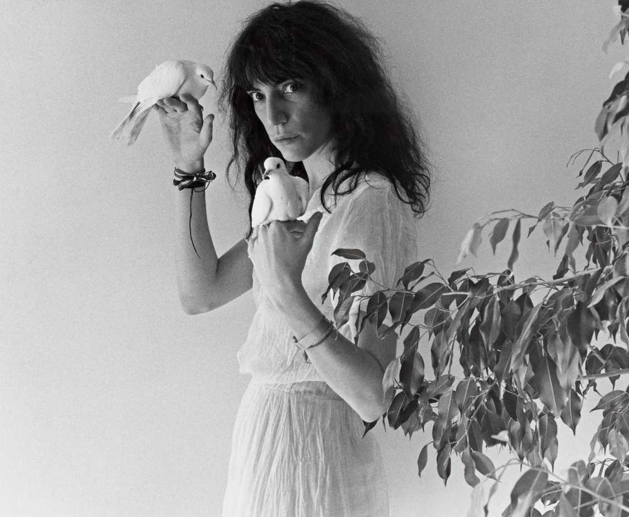
Mapplethorpe grew up in a Catholic household before discovering the polaroid and applying to study arts at Pratt Institute in Brooklyn. It was here that Mapplethorpe began to document the belly of New York City during the 70s. He was concerned with the documentation of the S&M scene within the city, causing a mass rift within the arts community. In the 1980s as Mapplethorpe's career began to flourish he was taking pictures for album covers for artists such as Patti Smith and photographing other music legends like Iggy Pop.
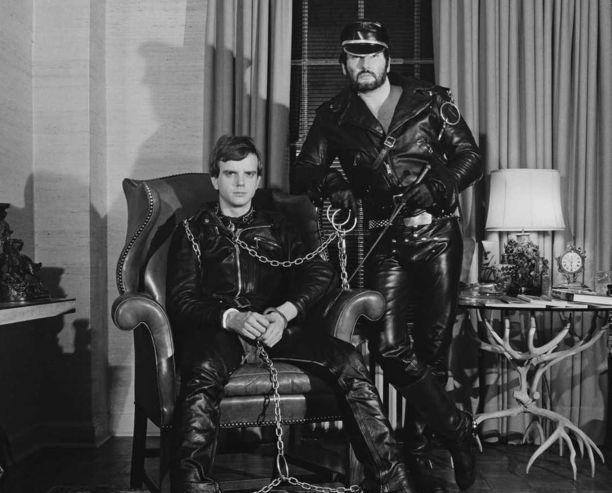
It was in 1986 that Mapplethorpe was diagnosed with AIDS. His art began to really conceptualize the sexuality of gay men living within this crisis. As well as photographing other people, he became very concerned with the self-portrait, often depicting the many faces of one man in the patriarchal system. He's quite often associated with Michelangelo in his photographic approach to his subject, taking particular notice of the body, and how the body cooperates with the world. In nearly all of his work, you can pinpoint his expression. A close-up of fingertips, the nose, and the eyes; within such a binary colour spectrum Mapplethorpe manages to express emotion and rage for the gay community.
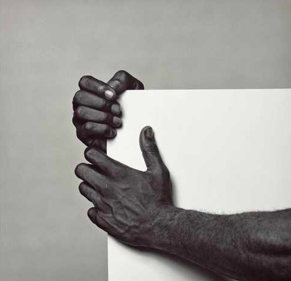
Before he passed away in 1989, he set up the Robert Mapplethorpe Foundation to promote the arts as well as fund medical research and a cure for AIDS. Though his works aren't explicitly sexual, there is a deeper conversation that you can always hear when you look at a Mapplethorpe photograph.